December 5, 2025
Creating a custom swimming pool involves more than choosing materials and finishing touches—it begins with selecting a pool style that complements your property, enhances functionality, and elevates your outdoor living experience. Whether you prefer the symmetry of a formal pool, the organic flow of a natural pool, or the creative curves of a freeform pool, understanding how each design functions and what it requires long-term is essential. Even though these pools vary in aesthetics and structure, they all benefit from smart maintenance habits and guidance from skilled swimming pool contractors.
According to This Old House, the typical family swimming pool is around 288 square feet, regardless of shape, which means your pool's style—not its size—plays the biggest role in defining its visual personality and required upkeep. By learning how each pool type works and what maintenance strategies they demand, you can protect your investment and enjoy a clean, safe, and customized swimming environment year-round.
Maintaining Formal Pools
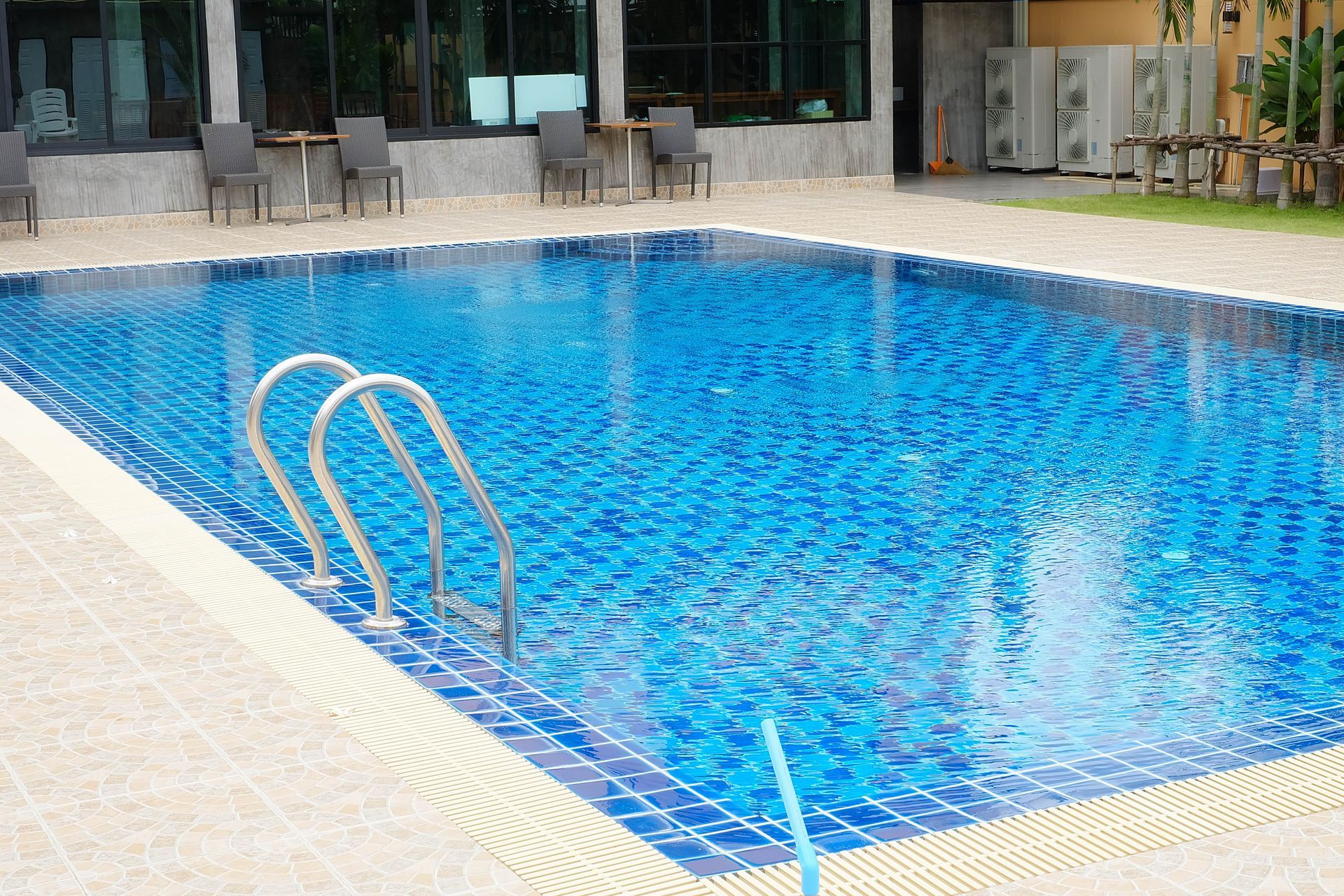
Formal pools emphasize symmetry, straight lines, and structured architectural features. They often include geometric shapes such as rectangles or squares, fountains, elegant lighting, or tiled edges that highlight clean design principles. Because of their smooth edges and defined layout, formal pools typically offer predictable circulation and easier debris control, making them relatively straightforward to maintain.
Routine surface skimming is essential to keep water clear, especially since straight-edged pools often encourage debris to collect in specific, easy-to-target areas. Daily skimming prevents leaves and insects from sinking and disrupting the water's chemical balance. Weekly vacuuming ensures debris from the flat floor and steps is removed efficiently, preserving that crisp, polished look formal pools are known for.
Chemical balance plays a major role as well. Maintaining proper pH, alkalinity, and chlorine levels prevents staining on tiles, steps, and coping. Because formal pools often include decorative surfaces like porcelain, stone, or glass tile, calcium hardness must be monitored to prevent scale buildup.
When equipment such as pumps, heaters, and filters is regularly inspected and cleaned, formal pools maintain strong circulation and pristine water clarity. Straight-lined pools naturally work well with smart pool systems and automated cleaning technology, making them an ideal choice for homeowners who want a sleek, modern aesthetic paired with streamlined maintenance. Consulting experienced swimming pool contractors ensures that architectural elements complement functionality, avoiding drainage or circulation issues that can emerge if design and engineering are misaligned.
Maintaining Natural Pools
Natural pools blend seamlessly into their surroundings, using irregular shapes, rock features, waterfalls, and landscaping to mimic ponds or natural bodies of water. Many homeowners choose natural pools for their relaxed aesthetic, but their organic structure requires a tailored maintenance approach.
Because natural pools often include softened edges, uneven contours, and water features, debris can settle in unusual spots. This makes thorough brushing especially important. Brushing walls, rocks, and ledges disrupts algae before it takes root and helps maintain an inviting environment. Vacuuming—manual or automatic—should be conducted weekly to remove settled debris from uniquely shaped floors or deeper pockets.
Chemical balance remains a crucial part of natural pool maintenance. Even when the design imitates nature, the water still requires controlled pH, alkalinity, and sanitizer levels to remain safe. Consistent chlorine levels between 1–3 ppm help prevent algae, which is especially useful since shaded areas or uneven surfaces can create ideal growth zones. In addition, proper use of cyanuric acid—kept between 30–50 ppm—ensures chlorine remains effective in outdoor sunlight.
Water features like waterfalls or streams require additional attention. These features help oxygenate the water but can also accumulate scale or biofilm, making periodic cleaning and inspection necessary. Pumps that power waterfalls or streams should be checked each season to ensure optimal performance.
Seasonal maintenance for natural pools is especially important. In the summer, higher use and warm temperatures make algae prevention a priority. In the fall, additional skimming and filter checks are needed as leaves increase. Preparing for winter involves lowering water levels, draining exposed lines, protecting water features, and using a durable cover to shield the pool and surrounding rockwork.
Working with swimming pool contractors familiar with natural pool engineering ensures that rock placement, water flow, and structural elements are built to minimize long-term maintenance challenges.
Maintaining Freeform Pools
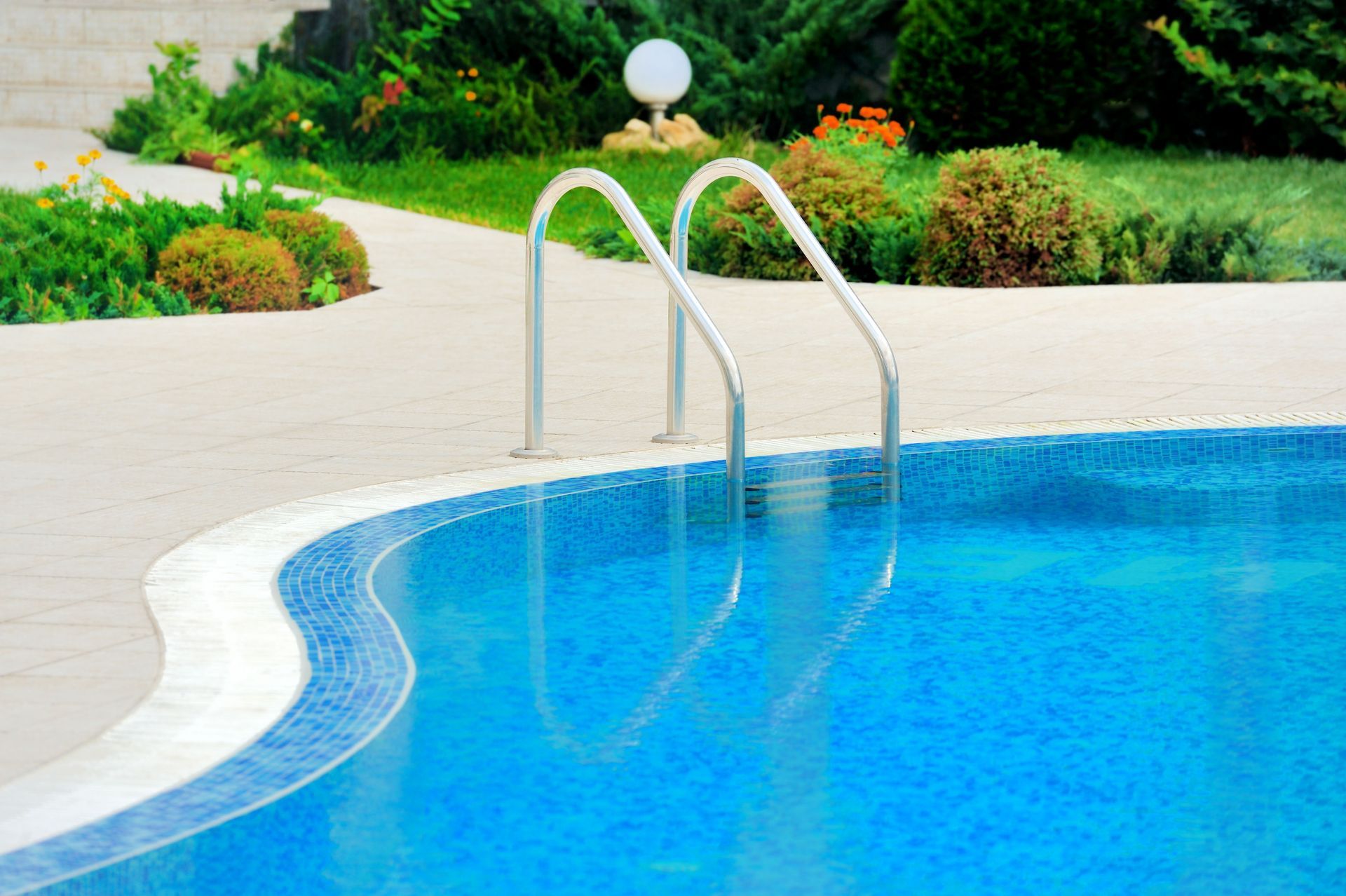
Freeform pools are designed to mimic the organic, flowing shapes found in natural landscapes while offering creative flexibility in layout and design. They feature curves, rounded edges, irregular contours, built-in seating, tanning shelves, and custom structural elements. This makes them a popular choice for homeowners seeking a personalized backyard oasis.
Because freeform pools lack linear geometry, circulation patterns can vary based on the shape and placement of jets. This makes routine water testing even more important. Ensuring proper pH, alkalinity, chlorine, and calcium hardness allows the water to remain balanced, clear, and gentle on both swimmers and the pool's structure.
Skimming, brushing, and vacuuming must be done consistently, as curved edges can trap debris that would otherwise move toward main drains or skimmers. Maintaining the filtration system—including backwashing, rinsing cartridges, and cleaning pumps—helps ensure that water moves efficiently through all sections of the pool. Freeform pools often include additional features such as caves, grottos, lighting niches, built-in spas, and custom benches, all of which require surface cleaning and safety inspections.
Seasonal maintenance plays a significant role in preserving freeform pools as well. During peak season, keeping circulation steady and managing high-traffic wear helps prevent cloudy water or debris accumulation. During winterization, careful attention must be given to uneven depths and integrated features to prevent damage from the cold.
Because freeform pools are highly customizable, they benefit greatly from professional design and installation. Collaborating with skilled swimming pool contractors ensures that the pool's shape supports excellent circulation and easy maintenance rather than creating hard-to-clean pockets or filtration challenges.
Enhancing Longevity for All Pool Types
Regardless of whether a pool is formal, natural, or freeform, good maintenance habits extend its lifespan and enhance enjoyment. Regular filter cleaning prevents clogs and cloudy water. Balanced chemistry protects equipment, surfaces, and swimmers. Seasonal adjustments guard your investment against weather-related damage.
Daily, weekly, and seasonal routines all work together to keep the pool safe, beautiful, and functional. Skimming eliminates floating debris before it sinks. Vacuuming removes settled dirt and prevents algae growth. Inspecting pumps, heaters, and filters ensures all systems perform efficiently. Brushing walls prevents stains and buildup, regardless of pool shape.
Early identification of issues—such as leaks, motor problems, cloudy water, or corrosion—reduces the risk of major repairs. Simple tests like the bucket test can confirm leaks, while unusual noises or vibrations often signal pump or motor issues needing professional intervention.
Automation and smart pool systems continue to evolve, offering homeowners advanced control over cleaning cycles, heating, sanitation, and lighting. Staying informed about innovations such as variable speed pumps, upgraded filtration media, and advanced testing equipment ensures that you can maintain water quality with greater ease and efficiency.
Whether you're drawn to the structured elegance of formal pools, the organic beauty of natural pools, or the creative versatility of freeform pools, choosing a custom pool style is an exciting step toward enhancing your outdoor living space. Understanding each pool type's maintenance needs ensures a clean, safe, and inviting environment all year long.
Ready to bring your dream pool to life? Contact Pools Unlimited Inc today and start designing a custom pool that fits your lifestyle, enhances your home, and delivers lasting enjoyment.